


Parking strategies that actually work
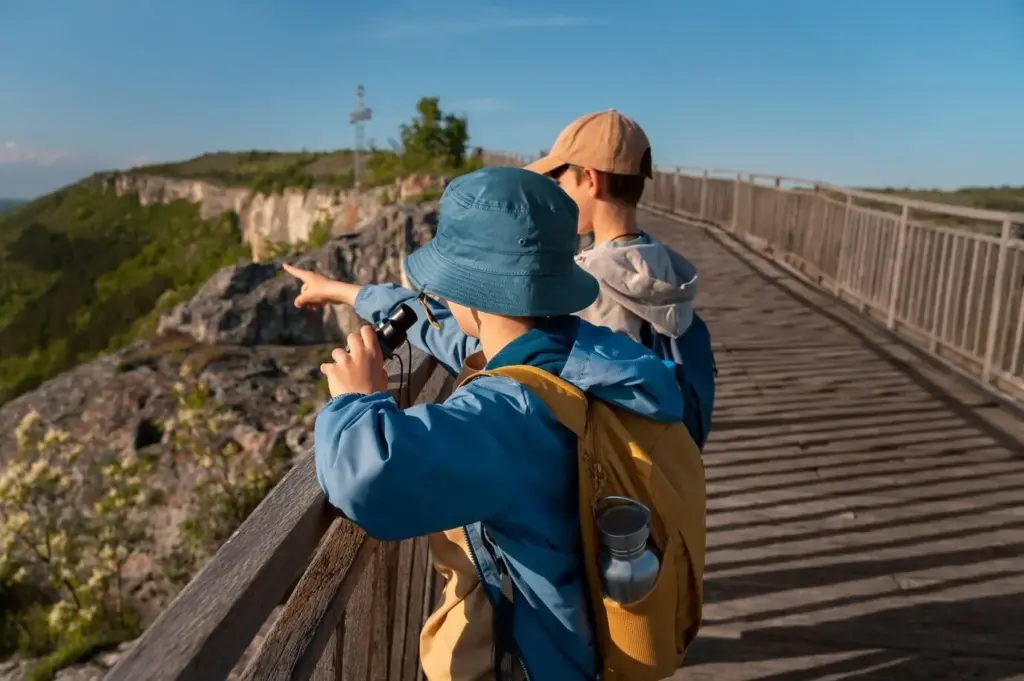
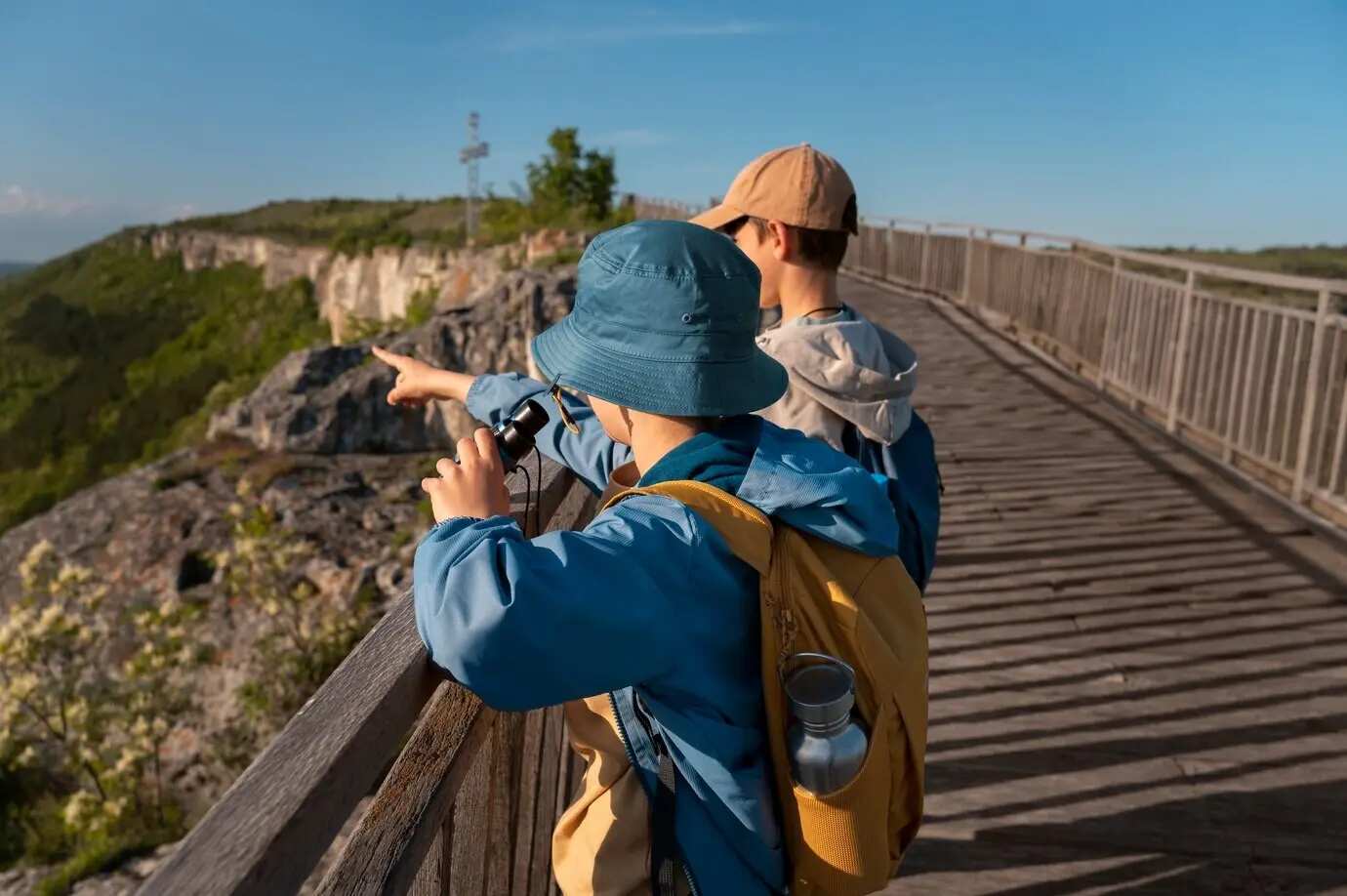
Arrive early or late to skirt peak pressure, and favor midweek windows when possible. Some areas release timed permits—set reminders and grab a slot while you boil morning coffee. Save a shortlist of overflow lots and alternate trailheads, and be prepared to walk an extra kilometer if it keeps the day moving. Never squeeze into vegetation or block emergency access. Accept a graceful change of plan as a win, not a loss, because a relaxed pace often reveals unexpected, tender moments.
Transit and ride options for nimble plans
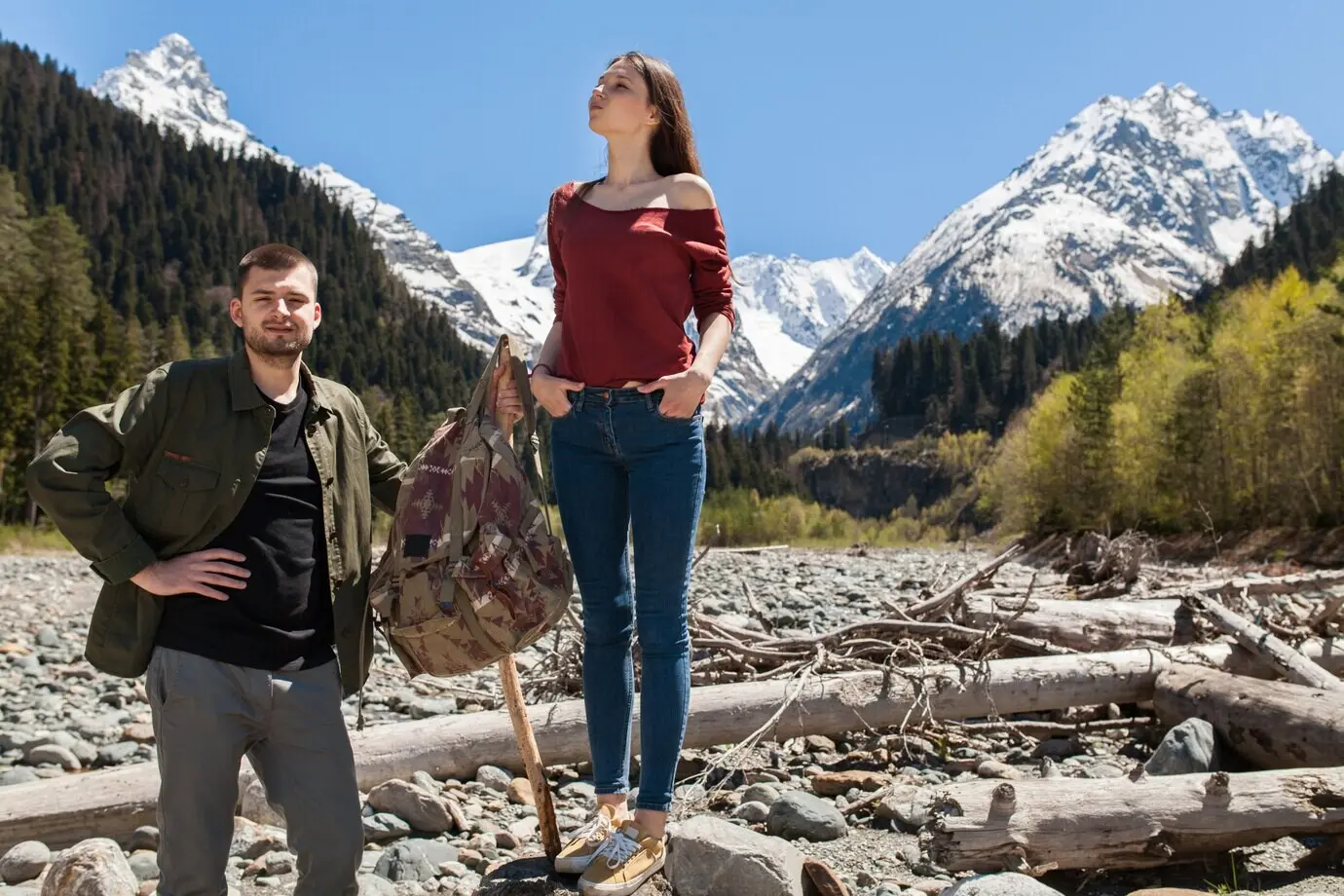
Regional buses, local shuttles, and rideshares can stitch the last miles to gateways of forests, beaches, and canyon edges, especially near popular parks and city greenbelts. Pack lighter if you’ll ride, and screenshot schedules to handle spotty reception. Coordinate with a friend for a point-to-point experience, meeting at a café near the endpoint. Transit days feel softer, with no keys to misplace and no return-time anxiety. You might even nap home while sun-warmed legs hum with satisfied fatigue.
Micro-adventures by bike or on foot
When minutes matter, let your neighborhood be the trailhead. Urban pathways follow rivers, harbors, and hidden creeks, delivering birdsong, breeze, and wide sky without a single traffic jam. Rolling on a bicycle or walking directly from your door collapses planning time to almost nothing and opens your senses to gradual shifts in light and temperature. Bring a small lock, a snack, and curiosity. You’ll discover pocket wetlands, murals, and native plants thriving where you never thought to look.